19 October 2026 · 7 min read
Why Can You Smell Rain Before It Starts? The Science of Petrichor
Why can you smell rain before it starts? Discover petrichor, geosmin and the fascinating science behind the fresh, earthy scent of rainfall.
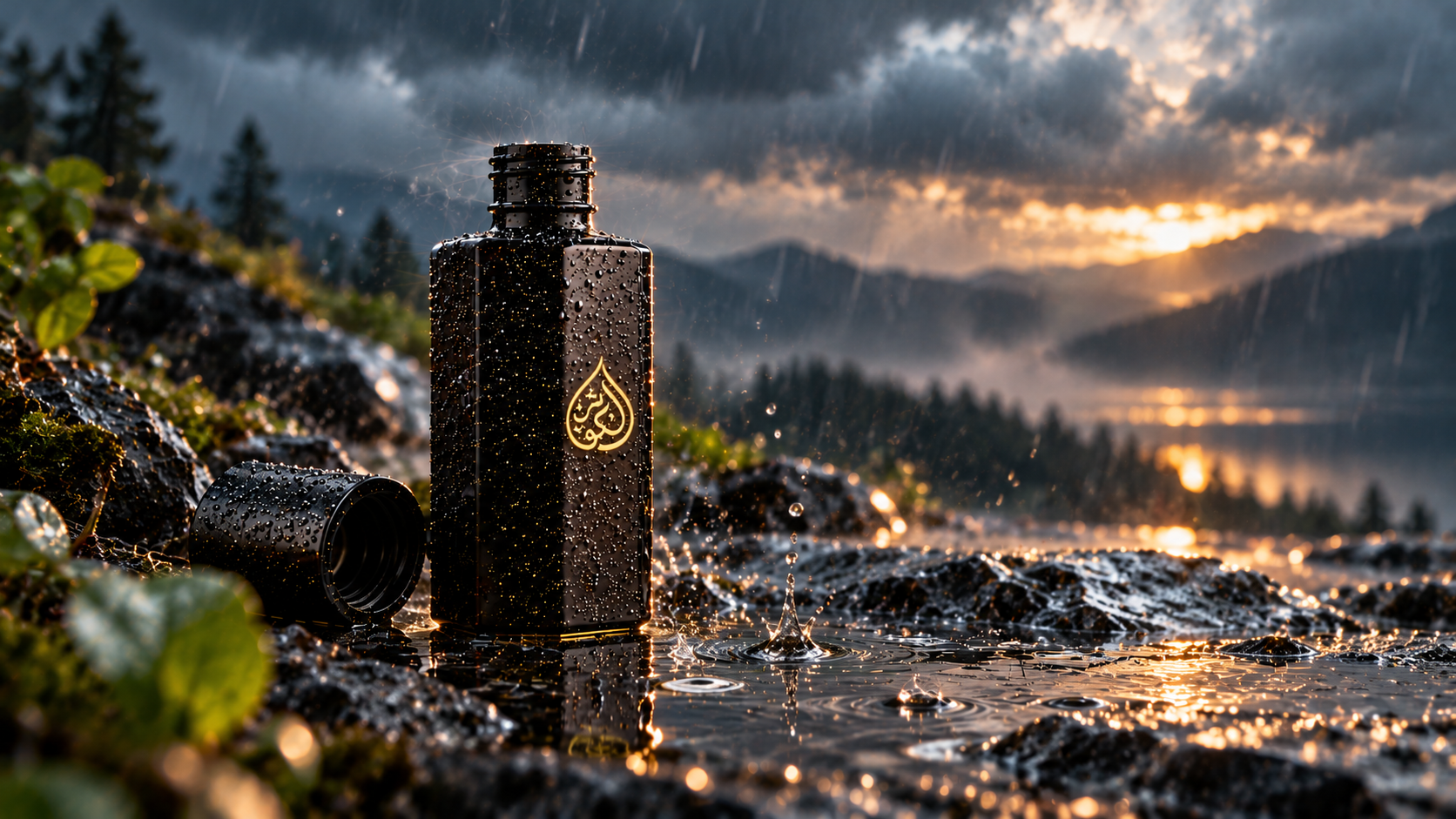
The sky begins to darken.
The air feels different.
A breeze passes through the street.
And suddenly, before a single raindrop touches the ground, you notice a familiar smell.
Fresh.
Earthy.
Almost impossible to describe.
It smells like rain.
But how can you smell rain before it even starts?
And why does the ground sometimes release such a beautiful fragrance after a long period of dry weather?
The answer involves chemistry, microorganisms, atmospheric conditions and one of nature's most recognisable aromas.
Welcome to the science of petrichor.
What Is Petrichor?
Petrichor is the distinctive earthy smell commonly associated with rain falling on dry ground.
The term was introduced in 1964 by Australian researchers Isabel Joy Bear and Richard G. Thomas.
It describes an aroma associated with substances that accumulate on dry surfaces and become noticeable when rain arrives.
The word comes from Greek roots associated with stone and the mythical fluid said to flow through the veins of the gods.
It's a beautiful name for a remarkably familiar experience.
But petrichor isn't simply the smell of water.
It's the smell of substances released into the air when rain interacts with the environment.
Does Rain Actually Have a Smell?
Pure water has no strong characteristic odour.
So when people say they can smell rain, they are usually detecting other substances associated with changing weather or rainfall.
These may include:
- Earthy compounds from soil microorganisms
- Plant-derived aromatic substances
- Odours released from dry ground
- Atmospheric compounds associated with thunderstorms
Different environments can therefore produce different rain-related smells.
Rain falling on dry soil may smell very different from rain falling on a city street or a forest.
What Is Geosmin?
One of the most important compounds associated with the earthy smell of rain is geosmin.
Geosmin is an organic compound produced by certain microorganisms, including some soil-dwelling bacteria.
Humans are remarkably sensitive to its earthy odour.
Even at very low concentrations, geosmin can produce a recognisable smell reminiscent of damp soil.
This is one reason freshly disturbed earth and rain-soaked ground can smell so distinctive.
Geosmin isn't the only contributor to petrichor, but it plays an important role in many earthy rain-related odours.
Why Does Dry Ground Smell So Strongly After Rain?
Imagine a long period without rainfall.
During dry conditions, various substances can accumulate on soil and other surfaces.
When rain finally arrives, water interacts with these materials.
Some aromatic compounds become airborne, making them easier for us to detect.
The contrast can be especially noticeable after an extended dry period.
This helps explain why the first rainfall after a long stretch of hot weather can produce such a memorable smell.
How Do Raindrops Release Smell Into the Air?
This is one of the most fascinating parts of the science.
When a raindrop lands on a porous surface, it can trap tiny pockets of air.
As the water spreads and interacts with the surface, these air pockets can form small bubbles.
The bubbles may rise and burst, releasing tiny airborne droplets called aerosols.
These aerosols can carry substances from the surface into the surrounding air.
Research has shown that this mechanism can help release soil-associated materials during rainfall.
In simple terms:
Raindrops can help lift aromatic substances from the ground into the air, where we can smell them.
Why Can You Smell Rain Before It Starts?
There are several possible explanations.
Sometimes rain is already falling nearby, even though it hasn't reached your location.
Wind can transport rain-related odours from those areas toward you.
Changing atmospheric conditions can also alter how airborne substances move.
Before or during thunderstorms, some people notice a sharper smell associated with atmospheric chemistry, including ozone.
This is different from the classic earthy smell of petrichor.
So when you smell rain before it arrives, you may be detecting substances transported from nearby rainfall or other changes in the atmosphere.
It doesn't mean that water itself is producing a strong smell before reaching the ground.
What Does Ozone Smell Like?
Ozone is a molecule made of three oxygen atoms.
It can have a sharp, distinctive odour that some people describe as clean, metallic or electrical.
Ozone may be formed through atmospheric processes associated with electrical activity.
However, not every fresh smell before a storm is ozone, and the presence of a particular odour cannot reliably predict a thunderstorm.
Ozone is also a respiratory irritant at elevated concentrations.
The fact that a substance has a recognisable smell does not automatically mean it is harmless to inhale.
Why Does Rain Smell Different in a Forest?
Rain interacts with the environment in which it falls.
In a forest, you may encounter a mixture of odours associated with:
- Soil
- Leaves
- Bark
- Moss
- Fungi
- Plant resins
- Microbial activity
- Damp wood
Together, these materials can create a rich, green and earthy atmosphere.
Rain falling on a dry city street may produce a very different experience because the surfaces and surrounding materials are different.
This is why the smell of rain isn't identical everywhere.
Why Does Rain Smell So Good to Some People?
Many people find petrichor comforting, refreshing or nostalgic.
Part of that experience may come from learned associations.
Perhaps the smell reminds you of childhood.
A summer holiday.
A garden.
A familiar street.
Or the feeling of relief after a hot day.
Our sense of smell is closely connected with brain systems involved in memory and emotion.
That means the smell of rain can evoke powerful personal experiences.
However, not everyone enjoys petrichor equally.
Our responses to smells are shaped by both sensory perception and individual experience.
Can Perfumers Recreate the Smell of Rain?
Yes.
And this is where the science becomes particularly interesting for fragrance lovers.
Perfumers can use aromatic materials to recreate impressions associated with rain, damp soil, wet stone or fresh air.
These effects are often called petrichor accords or rain-inspired accords.
A perfumer may combine earthy, mineral, green, watery and atmospheric notes to create the impression of a particular environment.
The goal isn't necessarily to reproduce every molecule found in natural petrichor.
Instead, it is to create a convincing olfactory impression.
What Ingredients Create a Petrichor Fragrance?
Different perfumers may use different materials.
A rain-inspired fragrance might include:
Earthy notes
To suggest damp soil or freshly turned earth.
Green notes
To evoke wet leaves, grass or vegetation.
Mineral effects
To suggest rain falling on stone or concrete.
Watery accords
To create an impression of freshness and moisture.
Woody notes
To evoke wet bark, trees and forest environments.
Geosmin itself is extremely potent and may be used at very low levels in fragrance creation.
Because it has such a recognisable earthy character, careful dosing is essential.
What Is the Difference Between Petrichor and an Aquatic Perfume?
These terms are related but not identical.
An aquatic fragrance often aims to evoke water, sea air, ocean breezes or clean freshness.
A petrichor fragrance focuses more specifically on the smell associated with rainfall and its interaction with the ground.
Aquatic perfumes may smell airy, marine or fresh.
Petrichor-inspired compositions may smell earthy, mineral, green or damp.
Of course, a perfumer can combine both ideas.
A fragrance could evoke a rainstorm moving across a coastal landscape, for example.
Can Perfume Capture the Smell of Wet Concrete?
Yes, at least as an artistic impression.
Wet concrete has a distinctive smell influenced by its surface chemistry and the substances present in the surrounding environment.
Perfumers can use combinations of mineral, earthy and other aromatic effects to suggest that atmosphere.
This is one of the reasons modern perfumery is so fascinating.
A fragrance doesn't have to smell like a flower or fruit.
It can evoke a location.
A building.
A landscape.
Or a particular moment in the weather.
Why Is Petrichor So Difficult to Describe?
Smell is not always easy to translate into words.
We can describe a colour as blue or red.
We can describe a sound as loud or quiet.
But when describing petrichor, people often use comparisons.
Earthy.
Fresh.
Damp.
Green.
Mineral.
Rain-soaked.
That's because the experience involves a combination of aromatic impressions rather than one simple sensation.
And different environments can produce different versions of that familiar smell.
The Beauty of Fragrance Inspired by Nature
Nature provides an extraordinary range of aromatic experiences.
Some are obvious.
A rose.
A lemon.
A piece of sandalwood.
Others are more subtle.
A forest after rainfall.
The smell of dry earth becoming wet.
A cool breeze before a storm.
Perfumers can study these experiences and use fragrance chemistry to recreate aspects of them.
This transforms something temporary into something we can experience again through scent.
The Bottom Line
Why can you smell rain before it starts?
Sometimes wind carries rain-related odours from nearby areas.
Sometimes atmospheric conditions change the way airborne substances move.
And when rain reaches dry ground, it can release aromatic compounds associated with petrichor, including earthy materials such as geosmin.
The result is one of nature's most recognisable scents.
At Al Kowthar Fragrances, we believe fragrance is about much more than bottles and ingredients.
It's about understanding the invisible chemistry that surrounds us.
The next time you notice that familiar smell before a rainstorm, remember:
You're not simply smelling rain. You're experiencing the chemistry of the world around you.
And that is one of the most beautiful things about the science of scent.
"Explore Al Kowthar Fragrances" (https://alkowtharfragrance.com/shop)